

About Kōkeʻe State Park
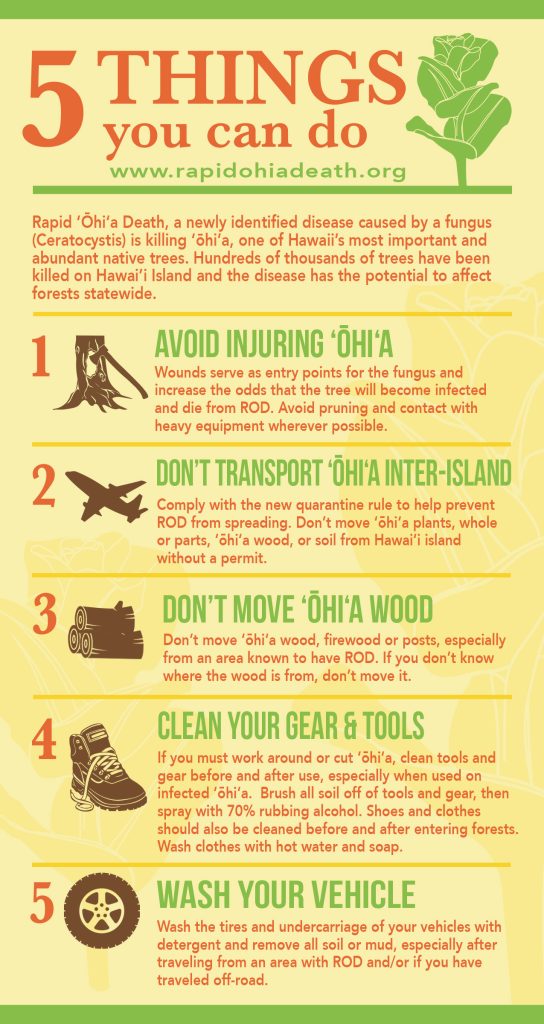
[KAUA’I] - UPDATE 12/12/25: Camping - Reservations for February 1, 2026 and beyond available at https://explore.ehawaii.gov, please create an account on Explore Outdoor Hawaiʻi to make a camping reservation. • UPDATE 1/14/26: Pu’u O Kila lookout has REOPENED. • 7/11/25: VISITORS TO WAIMEA CANYON AND KŌKEʻE STATE PARKS CAUTIONED TO EXPECT DELAYS AND LIMITED PARKING. Beginning July 14, 2025, Waimea Canyon Lookout with be closed for construction of safety improvements until further notice. This closure, in addition to several overlapping roadwork projects by both DOT-Highways and DLNR-State Parks, will cause delays, impact traffic patterns, and restrict overall parking capacity in these two popular parks through the end of the year. DOT work is continuing on Waimea Canyon Drive, while work on portions of Kōkeʻe Road from the Kalalau Lookout to Puʻu o Kila lookout will be starting the same week. Visitors can drive as far as the Kalalau Lookout, where improvements will also be initiated on July 17, with limited parking available. We urge patience and driving with care as these various improvements are ongoing. Local visitors are encouraged to enjoy these parks and lookouts on weekends, when most work will be suspended. Waimea Canyon Lookout will be closed for the duration of the project including weekends. The park offers commanding views of the lush, amphitheater-headed Kalalau Valley from 4000 feet elevation. Wildland picnicking, tent camping and lodging. Hiking in native rain forest and along rim of Waimea Canyon; additional trails in neighboring forest reserves. Excellent area for observation of native plants, forest birds and insects. Seasonal plum picking and trout fishing. Pig hunting in public hunting area. In accordance with the Kokee-Waimea Canyon Rec Residence leases, the appraisals for the 2022 rent reopener have been completed. Please see the link for the method used to determine rents. NOTE: This is applicable to existing leaseholders whose leases expire at the end of 2031 ʻŌhiʻa (Metrosideros polymorpha), the most abundant native tree in the state of Hawaiʻi, are dying from a new fungal disease. On Hawaiʻi Island, and currently spreading to other islands, hundreds of thousands of ʻōhiʻa have already died from this fungus, called Ceratocystis. Healthy trees appear to die within a few days to a few weeks, which is how the disease came to be called “Rapid ʻŌhiʻa Death.” This disease has killed trees in all districts of Hawaiʻi Island and has the potential to kill ʻōhiʻa trees statewide. – College of Tropical Agriculture and Human Resources (CTAHR), University of Hawaii at Manoa. There is no effective treatment to protect ʻōhiʻa trees from becoming infected with Ceratocystis or cure for trees that exhibit symptoms of the disease. Therefore, we have an important role to help prevent the further spread of Rapid ʻŌhiʻa Death. There are 5 simple things we can all do to help in this effort: