About Harkness Memorial State Park
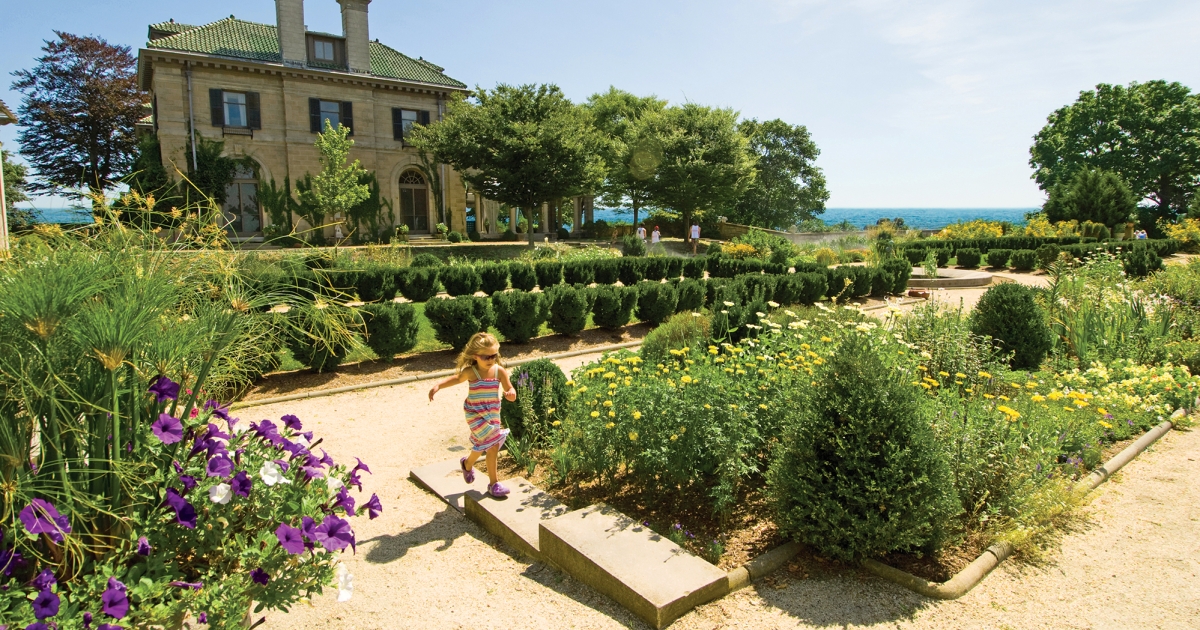
With its unparalleled views of the Long Island Sound and architectural splendors, Harkness Memorial State Park is a popular destination for picnicking, flying kites, birding, fishing, and photography. Harkness’s mix of landscapes, from sand dunes to salt marshes to coastal grasslands, makes for an ideal habitat for birds and other wildlife, including the piping plover, least terns, and osprey. Additionally, down on the beach is one of the state’s go-to shoreline fishing spots, with its peak being in the early morning or evening during high tide. And, unlike other coastal parks, the crescent slip of sand is more popular with anglers than beachcombers! The park’s crown jewel, Eolia, was the elegant summer mansion of Edward and Mary Harkness, beneficiaries of the oil fortune Edward’s father amassed as a silent partner to John D. Rockefeller‘s Standard Oil Corporation. The 42-room Renaissance Revival structure is surrounded by 230 seaside acres of sweeping lawns, large trees, and beautiful gardens. Of the park’s 60 different structures, 15 are listed on the National Register of Historic Places. Though the Harknesses were wealthy members of high society, the mansion wasn’t the site of lavish parties. They were more private, preferring to host intimate gatherings with the J.P. Morgans, J.D. Rockefellers, and the like. More philanthropist than socialite, they donated over $200 million – $2 billion in today’s dollars – to a wide range of charitable, cultural, health, and community organizations, including the State of Connecticut. Upon her death in 1950, Mary left the estate to the State of Connecticut for the well-being of its citizens. Swimming is not permitted at Harkness Memorial Park. There is no vehicle access to the park north of Great Neck Road (the Verkades Property); walk-in access only.